



Your shopping cart is currently empty.
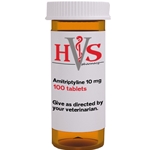
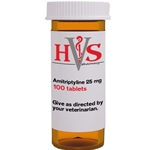
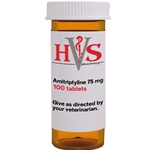
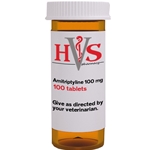
Amitriptyline Tablets
Veterinarian Prescription (Rx)
Required
Free Shipping on Orders over $75
Low Price Match Guarantee
Free Shipping on Orders over $75
Low Price Match Guarantee
- Prescription tricyclic antidepressant used in dogs and cats
- Commonly prescribed for certain anxiety and behavior-related conditions
- May be prescribed for other conditions including neuropathic pain, itching, or feline lower urinary tract concerns
- Available in multiple tablet strengths for individualized veterinarian-prescribed dosing
Price: $0.18
$0.16 -10% future orders
$0.16 -10% future orders
$0.16 -10% future orders
$0.16 -10% future orders
$0.16 -10% future orders
$0.16 -10% future orders
$0.16 -10% future orders
$0.16 -10% future orders
Licensed U.S. PharmacyReal pharmacists.
How to Order Prescriptions
In dogs, amitriptyline may be prescribed for behavioral concerns such as generalized anxiety and separation anxiety. In cats, it may be prescribed for anxiety, excessive grooming, urine spraying, inappropriate urination, and certain lower urinary tract concerns.
Veterinarians may also prescribe amitriptyline for other conditions based on the individual needs of the animal. Use in dogs and cats is extra-label and should be closely supervised by a veterinarian.
It primarily inhibits the reuptake of serotonin and norepinephrine, increasing the activity of these neurotransmitters. These chemicals play important roles in mood, behavior, anxiety, and pain signaling.
Amitriptyline also has antihistaminic and anticholinergic properties, which contribute to some of its therapeutic effects as well as potential side effects.
Amitriptyline may be prescribed for certain behavioral conditions, including generalized anxiety, separation anxiety, excessive grooming, and urine spraying. Veterinarians may also prescribe it for certain pain, itching, or feline lower urinary tract conditions.
Veterinary use of amitriptyline in dogs and cats is generally considered extra-label.
Amitriptyline tablets are administered orally.
The medication may be given with or without food. If stomach upset occurs when given on an empty stomach, administer future doses with food unless otherwise directed by your veterinarian.
Give doses at approximately the same time each day.
Do not change the dose, frequency, or duration of treatment without consulting your veterinarian.
Do not abruptly discontinue long-term amitriptyline therapy unless directed by your veterinarian. Your veterinarian may recommend gradually reducing the dose.
Dosage is determined by your veterinarian.
The appropriate tablet strength, amount, frequency, and duration of treatment depend on the animal's species, weight, condition, response to therapy, and other individual factors.
Administer exactly as prescribed by your veterinarian. Follow all dosing and administration instructions provided on the prescription label and by your veterinarian. Do not adjust the dose, frequency, route, or duration of administration unless directed by your veterinarian.
Federal law restricts this drug to use by or on the order of a licensed veterinarian.
Keep out of reach of children and animals.
Use with caution in animals with heart disease, heart rhythm abnormalities, seizure disorders, liver disease, glaucoma, urinary retention, diabetes, thyroid disorders, or other significant medical conditions.
An overdose of amitriptyline can be serious. Contact your veterinarian or an emergency veterinary facility immediately if an overdose or accidental ingestion is suspected.
Contact your veterinarian if side effects are persistent, severe, or concerning.
Amitriptyline may interact with other medications, particularly drugs that affect serotonin or the central nervous system.
Use with caution in animals with cardiovascular disease, seizure disorders, glaucoma, urinary retention, liver disease, thyroid disease, or diabetes.
Safety during pregnancy or nursing has not been established. Use in pregnant, breeding, or nursing animals only as directed by a veterinarian.
Do not discontinue long-term treatment suddenly unless directed by your veterinarian.
Description
Amitriptyline Tablets are a prescription medication veterinarians may prescribe for certain behavioral and other conditions in dogs and cats. Amitriptyline belongs to a class of medications known as tricyclic antidepressants (TCAs).In dogs, amitriptyline may be prescribed for behavioral concerns such as generalized anxiety and separation anxiety. In cats, it may be prescribed for anxiety, excessive grooming, urine spraying, inappropriate urination, and certain lower urinary tract concerns.
Veterinarians may also prescribe amitriptyline for other conditions based on the individual needs of the animal. Use in dogs and cats is extra-label and should be closely supervised by a veterinarian.
Uses & Benefits
- May help manage certain anxiety and behavior-related conditions
- May be prescribed for generalized or separation anxiety in dogs
- May help manage urine spraying and other anxiety-related behaviors in cats
- May be prescribed for excessive grooming in cats
- May be used for certain neuropathic pain or itching conditions
- Multiple strengths accommodate individualized dosing
- Convenient oral tablet formulation
- Can be incorporated into a veterinarian-recommended behavior modification program
How It Works
Amitriptyline is a tricyclic antidepressant (TCA) that affects chemical messengers within the nervous system.It primarily inhibits the reuptake of serotonin and norepinephrine, increasing the activity of these neurotransmitters. These chemicals play important roles in mood, behavior, anxiety, and pain signaling.
Amitriptyline also has antihistaminic and anticholinergic properties, which contribute to some of its therapeutic effects as well as potential side effects.
Indications
For use in dogs and cats as prescribed by a licensed veterinarian.Amitriptyline may be prescribed for certain behavioral conditions, including generalized anxiety, separation anxiety, excessive grooming, and urine spraying. Veterinarians may also prescribe it for certain pain, itching, or feline lower urinary tract conditions.
Veterinary use of amitriptyline in dogs and cats is generally considered extra-label.
Ingredients
Active Ingredients:
Amitriptyline Hydrochloride
Inactive Ingredients:
Refer to manufacturer label for complete inactive ingredient information.
Directions
Give exactly as prescribed by your veterinarian.Amitriptyline tablets are administered orally.
The medication may be given with or without food. If stomach upset occurs when given on an empty stomach, administer future doses with food unless otherwise directed by your veterinarian.
Give doses at approximately the same time each day.
Do not change the dose, frequency, or duration of treatment without consulting your veterinarian.
Do not abruptly discontinue long-term amitriptyline therapy unless directed by your veterinarian. Your veterinarian may recommend gradually reducing the dose.
Dosage is determined by your veterinarian.
The appropriate tablet strength, amount, frequency, and duration of treatment depend on the animal's species, weight, condition, response to therapy, and other individual factors.
Administer exactly as prescribed by your veterinarian. Follow all dosing and administration instructions provided on the prescription label and by your veterinarian. Do not adjust the dose, frequency, route, or duration of administration unless directed by your veterinarian.
Cautions
For veterinary use only.Federal law restricts this drug to use by or on the order of a licensed veterinarian.
Keep out of reach of children and animals.
Use with caution in animals with heart disease, heart rhythm abnormalities, seizure disorders, liver disease, glaucoma, urinary retention, diabetes, thyroid disorders, or other significant medical conditions.
An overdose of amitriptyline can be serious. Contact your veterinarian or an emergency veterinary facility immediately if an overdose or accidental ingestion is suspected.
Possible Side Effects
Possible side effects may include:- Drowsiness or sedation / Dry mouth / Decreased salivation / Constipation / Urinary retention or difficulty urinating / Vomiting / Diarrhea / Changes in appetite / Increased heart rate / Abnormal heart rhythm / Dilated pupils / Decreased tear production / Incoordination / Excitability or other behavioral changes
Contact your veterinarian if side effects are persistent, severe, or concerning.
Precautions
Tell your veterinarian about all medications, supplements, and other products your pet is receiving before beginning amitriptyline.Amitriptyline may interact with other medications, particularly drugs that affect serotonin or the central nervous system.
Use with caution in animals with cardiovascular disease, seizure disorders, glaucoma, urinary retention, liver disease, thyroid disease, or diabetes.
Safety during pregnancy or nursing has not been established. Use in pregnant, breeding, or nursing animals only as directed by a veterinarian.
Do not discontinue long-term treatment suddenly unless directed by your veterinarian.
Storage
Store at controlled room temperature, generally 68°F to 77°F (20°C to 25°C). Protect from excessive moisture and light. Keep tablets in a tightly closed container. Keep out of reach of children and animals.Disposal
Dispose of unused or expired medication according to your pharmacist's, veterinarian's, or local medication disposal recommendations.
Do not use tablets beyond the expiration date printed on the dispensing or manufacturer label.